Getting Smart
Technology is affecting the way we do business, how we go about our daily tasks,
and even how our homes function. Putting existing technology to use in a home
or residential building is the essence of what it means to be an “intelligent” building or home. An “intelligent” building is able to monitor its environmental, mechanical, and lighting (among
other) systems, through a computerized network of electronic devices.
Maintenance, communications, security, and other residential building functions
are now being handled by new systems, whose upgraded operations are helping
building personnel do their jobs more effectively. In many cases, intelligent
homes and buildings provide savings for their owners, by helping them to cut
back on their energy usage.
Read More
Clean Sweep
National Public Radio recently ran a story about a piece of advice from the latest edition of The Old Farmer’s Almanac. The suggestion was about how to stay warm throughout the winter with just one log: chuck it out of an upstairs window, run downstairs and outside to pick it up, and then sprint back upstairs and chuck it out the window again. Repeat until warm. Read More
Deep Cleaning
At every condominium community it happens every hour; every day. Coffee gets
spilled, mud gets tracked, windows get smeared. When residents move, errant
table legs and oversized sofas can scrape black marks, and even divots, into
painted walls. Property managers know that keeping things clean is one of the
uppermost duties of any association caretaker. Read More
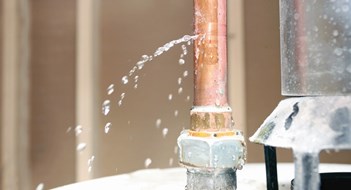
Plumbing: The Depths
Though mostly unseen, a building’s plumbing and piping network is one of its most important systems—as anyone who has ever had to endure a no-hot-water shower in February, or who
has come home to a flooded floor can attest. Plumbing covers not only hot water
delivery, but water and waste removal—and not all plumbing is hidden. Some pipes snake across ceilings, or down walls
inside individual units, making the plumbing more visible than the HVAC or
electrical wiring in most buildings. Read More
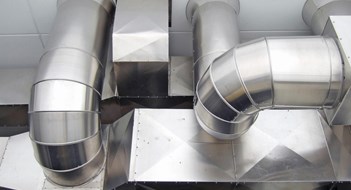
A Breath of Clean Air
The chant is familiar: In goes the good air, out goes the bad. But just how good is the air coming into your condominium? Read More
Stay-at-Home Seniors:
The golden years are a time to enjoy life, relax, and have a worry-free retirement. During our working years we plan for this time, save money and make investments for the future. But, naturally over time, the cost of living increases, unexpected financialcircumstances arise and many find themselves without sufficient funds to maintain a pre-retirement standard of living. Read More
Environmental Issues
Of all the finishes inside our homes, flooring has the greatest long term impact on indoor air quality, and perhaps on the environment as a whole. Flooring finishes often contain harmful chemicals—whether in the flooring itself or in the products usedto install it. It harbors the majority of the dirt, moisture, and other contaminants that are commonly found in the home. There are many options and, just as with all green products, there is no “one size fits all” for flooring choices. Here are some basic considerations that can help to get you started in evaluating flooring for your home. Read More
Legal Briefs
Attempting to define the meaning of the term “improvements” under Massachusetts condominium law is a lot like trying to put your finger on a glob of jello – it can go all over the place. The Massachusetts Legislature devoted an entire section in the condominium statute to common area “improvements” – yet, nowhere in the statute did the Legislature define the term “improvement.” Although a number of out-of-state cases shed important light on the issue, Massachusettscase law on the subject is somewhat wishy-washy. Absent clear legislative and judicial guidance, it’s no wonder that a great many disputes have arisen between unit owners and their condominium boards over the years as to the exact meaning of the term “improvement.” Read More