


New England’s rocky soil and variable climate can be tough on the plants and flowers adorning your property. Planting the wrong species—or planting the right species in the wrong place—practically guarantees disappointment. Selecting plants for your association’s common areas requires a pragmatic approach that balances aesthetics with durability. Let’s take a look at some of the top choices, starting with the “locals.”
New England Natives
When it comes to deciding what to plant on your property, native species are the gold standard. Their root systems are adapted to the region’s heavy clay and rocky glacial till, so they tend to be hearty and don’t require a lot of babying. Here are a few species to put on your short-list:
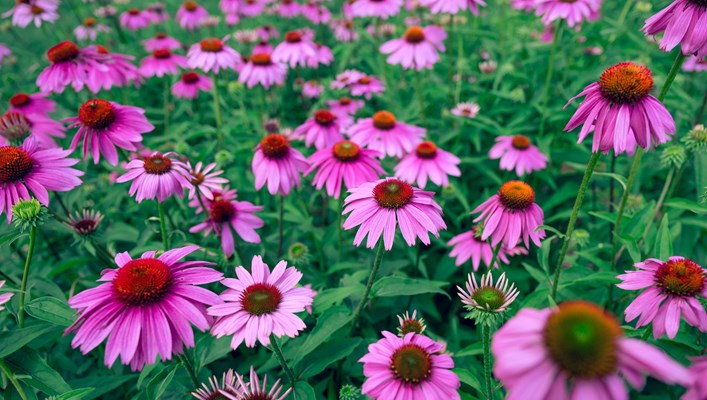
Purple Coneflower (Echinacea purpurea): These cultivars stay under 24 inches, keeping a tidy, mounded shape that doesn’t require staking. They are drought-tolerant once established and provide a nectar buffet for bees and other pollinators.
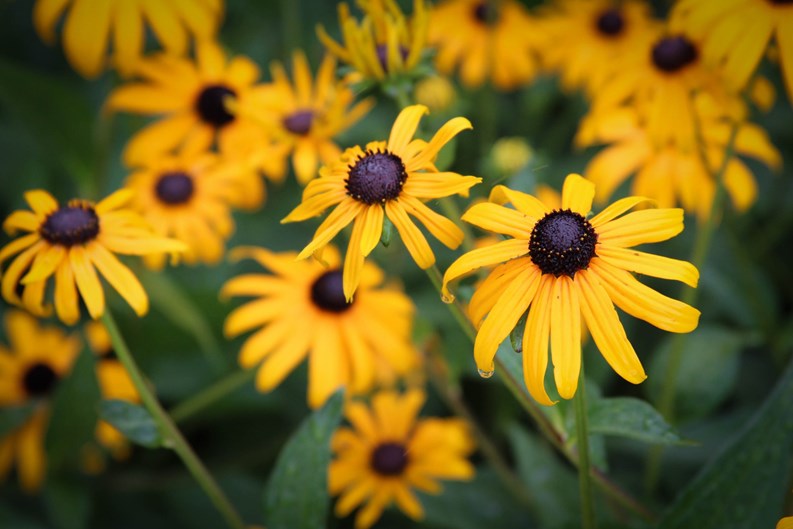
Black-Eyed Susan (Rudbeckia fulgida ‘Goldsturm’): This variety thrives in full sun and the reflected heat from asphalt driveways, and provides a striking color block from July through September.
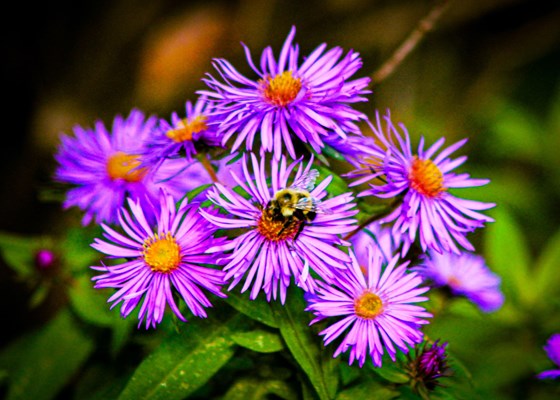
New England Aster (Symphyotrichum novae-angliae): Asters are an October must-have, providing late-season vibrant purples and pinks when most other perennials have turned brown.
The Welcome Guests
While native plants are ideal, here are a few resilient, non-invasive non-native species that might be right at home in your HOA’s flowerbeds or planters:
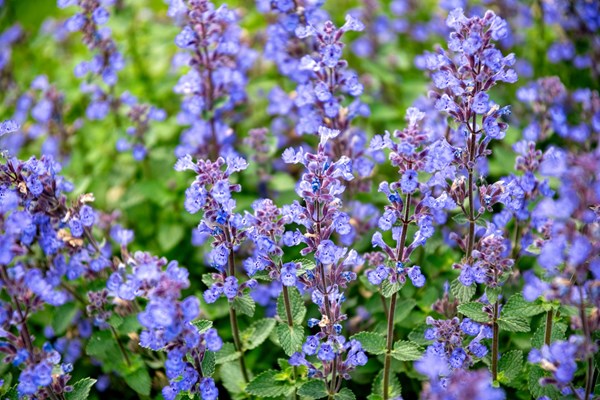
Catmint (Nepeta x faassenii ‘Walker’s Low’): If your community has a deer or rabbit problem, Catmint’s bitter, aromatic foliage is your first line of defense. It provides a soft, lavender-blue texture and blooms almost continuously from May to September.
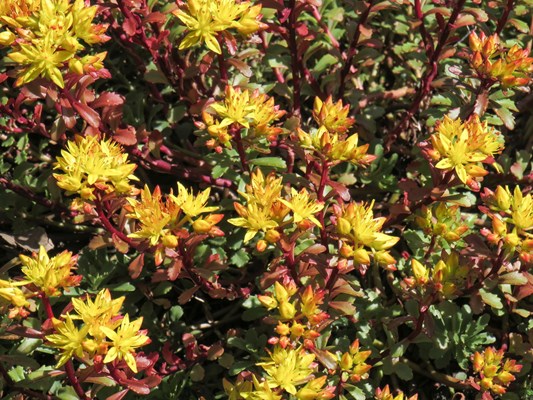
Stonecrop (Sedum ‘Autumn Joy’): This succulent-style perennial is practically impossible to kill, and provides year-round color, starting as green broccoli-like buds in mid-summer, turning dusty pink in August, and deepening to a rich copper-red in October.
A Few More Tips
Hearty though they may be, to ensure these plants actually survive their first year, it’s important to keep the following things in mind:
Know your plants’ hydration needs, and group them accordingly. Your irrigation system cannot satisfy both dry-loving plants and water-lovers simultaneously, leading to over-watering rot for one or drought stress for the other.
Soil test for salt. Before a major spring planting, have your landscape contractor perform a $20 soil test, particularly near roads. If salt levels are high, prioritize durable perennials over more delicate species.
New plantings tend to look sparse for the first year, so remind your board and residents of the old adage about perennials: ‘The first year they sleep, the second year they creep, the third year they leap.’ Overplanting leads to overcrowding and fungal issues over time, so resist the urge to fill in gaps with more plants.
By selecting plants that work with the surrounding environment, your community can not only significantly reduce the amount of time and money spent weeding, watering, and replacing, but also boost your association’s curb appeal—and that’s a value added for everybody.



Leave a Comment