


Saving energy does a lot more than just reduce your association’s carbon footprint and toxic emissions—it also saves money, and everybody likes that part! The steps a multifamily condo building, HOA, or co-op can take to reduce its energy consumption and save money range from the very simple to the very complex. We’ve asked a few energy experts to offer their top tips for conserving both. The list is just a start, of course—there are lots of ways to go greener, but following some of these ideas is a great beginning.
Know Your System
Just like people, multifamily communities come in many shapes and sizes. Knowing what type of HVAC equipment is in use on your particular property is crucial to optimizing its performance and maximizing its useful life.
“There are high rises, low rises, townhouses and stand-alone buildings,” says Jack Carr, retired senior vice president of engineering for Criterium Engineers in Portland, Maine. “Some have more sophisticated equipment, and some don’t. If you have an 80-year-old, four-story apartment building in Cambridge with a steam boiler in the basement and all radiators upstairs, they’re going to have different heating issues than a modern townhouse complex with brand new, high-efficiency units. You have to know what you have and go from there.”
Schedule an Energy Audit
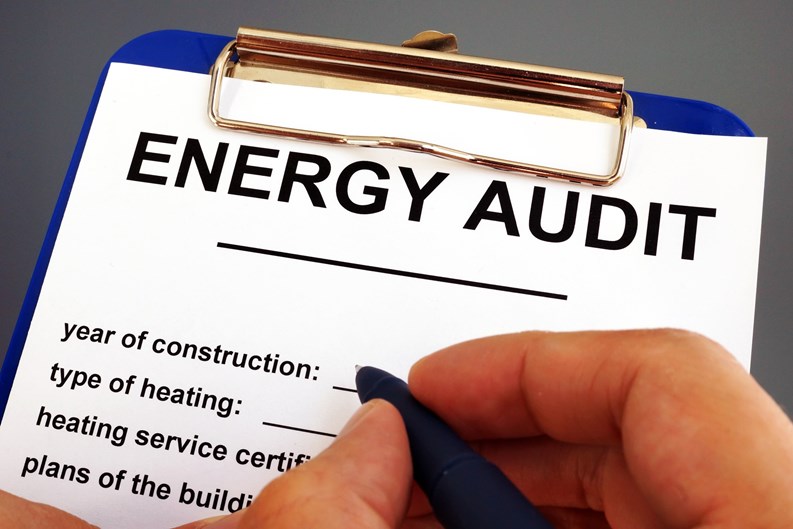
It’s hard to know where you’re going when you don’t know where you’ve been—and that applies to residential buildings as much as it does to life in general. An energy audit is a comprehensive analysis of a building’s systems and energy performance, carried out by a certified energy auditor. All buildings lose heat; that’s just how thermodynamics work. According to Carr, an energy audit will assess your building and provide an overview of how much energy it’s losing versus how much it’s retaining. With that crucial information, you can make informed decisions about what changes you may need to make to improve that energy profile.
“Energy audits are useful, but you must decide if you are going to audit the entire complex or individual units,” says Carr. “One of the things in managing the façade and the envelope of the building is to minimize air infiltration, and one of the ways you do that is in an energy audit.”
Increase Your Insulation
Adequate insulation not only reduces heating and cooling costs by making a building more energy efficient, but it also makes things more comfortable for the people who call it home. Scanty insulation leads to wasted energy and understandably upset residents.
“Insulation is a big issue in this part of the country,” says Carr. “It’s one of the first things you want to take a look at to make sure you have enough. Typically in New England you’re talking about a minimum of 12 inches of insulation in your attic ceiling, attic roof or attic floor, but 18 inches is better. Ideally you’d like to have R-40 insulation, but that’s for newer buildings. Heat goes up, just like a chimney, so if a budget is involved, I’d spend money on insulating the attic or roof first, followed by the walls. Walls lose very little heat.”
Better Appliances & Accessories
While you don’t necessarily have to run out and buy all-new energy-smart appliances, upgrading to more energy efficient models when your old ones reach the end of their useful life is another way to conserve energy. When you’re choosing new appliances, look for the EnergyStar certification and the EnergyGuide label. The EnergyStar label was established to reduce greenhouse gas emissions and other pollutants caused by the inefficient use of energy and to make it easy for consumers to identify and purchase energy-efficient products. The certification means that the appliance has met standards that make it an energy-efficient unit that uses less energy and water than the older models.
“Installing EnergyStar lighting and appliances is one of the simplest, quickest ways to conserve energy,” says Caitriona Cooke, former director of the Building Performance Group, CLEAResult (formerly Conservation Services Group) in Westborough, Massachusetts.
Unplug It
Once you’ve upgraded your appliances…unplug them! Unplugging appliances when you are not using them is as easy as pie, but very few people do it, says Tom Rooney, Vice President at TRC Companies, Inc., an energy consulting firm based in Portsmouth, New Hampshire.
“The biggest thing right now is cable boxes and other electronic devices that are on continuously,” he says. “So if you go away, just unplug anything that’s plugged in with a clock on it. That alone would save so much energy. You can also buy surge protectors with an occupancy sensor, just like you’d have on a light switch. So if you have a desk light or a computer plugged in and you leave for more than an hour, it automatically shuts off.”
Also, don’t forget to close windows and blinds on hot days, and cool off your unit at night by running ceiling fans, Cooke adds. Also check plumbing penetrations in kitchen and baths and seal any gaps.
If upgrading to energy-efficient appliances proves too costly, Rooney recommends buying a set-back programmable thermostat that will adjust the temperature at different times of day according to a series of programmed settings.
“If you program your thermostat in the winter to go back five degrees when you are not home and program it to go up five degrees in the summer, you’ll notice a difference in your electric bill,” says Rooney. “In the summer, you can program your thermostat so your home will be cool when you get home.”
Upgrade Windows
According to Carr, windows have become more energy efficient in recent years, so if your building or HOA is due for new ones, it’s a very good time to raise your energy conservation score along with your blinds. “Condominiums typically replace windows every 20 to 30 years,” says Carr, “So when windows are replaced, [new ones] should have a low E-value (meaning low thermal emissivity) and a thermal pane. Never put in a single-pane window. Condominium association bylaws will often insist that they have control over what types of windows are put in for two reasons: to get uniformity in the window appearance, and you’ll usually get a better price if they are bought in bulk.”
Let There Be LEDs
An energy adjustment that delivers a big impact for relatively little effort is swapping out incandescent and compact fluorescent light (CFL) bulbs with light-emitting diodes, or LEDs. According to conservation pros, both the cost and versatility of LED lighting have vastly improved over the years. They now offer a variety of lighting moods, including “warm,” “cold,” and “daylight,” as well as different applications like strip lighting and even color-changing options. Because LEDs are about 75% more energy-efficient than incandescent bulbs and emit just one-tenth of the heat of CFLs, replacement can reduce costs while limiting emissions, all while providing residents and staff a more comfortable and flexible lighting solution.
“Cost savings [with a switch to LEDs] can be substantial, both in the electric bills and in the replacement costs,” says one lighting installer. “LEDs use only a fraction of the energy of an incandescent or even a CFL,” he notes, “and will last 25% longer, without the wasted heat of either an incandescent or a CFL.”
Some cities and states already have a sense of the impacts and quality that LED lighting provides, since the passing of laws in the early 2000s mandating energy-efficient lighting in both government and private sector buildings. While individual dwellings are generally exempt from state and municipal LED requirements, multifamily residents will still feel the effects that upgraded common area lighting have, both on their environment and on their wallet.
“When you talk about common spaces that must be lit continuously, and that take time and manpower to constantly change bulbs, that somewhat minor change can amount to major savings for a co-op or condo,” says another lighting expert. Buildings can often also take advantage of local government-sponsored incentive programs based on the amount of energy reduction they’re able to achieve, as well as upgrade incentives for multifamily buildings offered by utility providers.
Adjust Lighting Controls
Inefficient lighting can consume up to 15% of a building’s energy needs or more, while energy-efficient lighting can reduce consumption by 50% or more. In addition to converting to LEDs and urging residents to use timers and thermostats in their own units, Carr recommends installing vacancy sensors and timers in common spaces like fitness centers, restrooms, electric rooms, laundry rooms, trash collection rooms and all common areas to turn off lights that aren’t needed.
Take Advantage of Incentives
If you want to install EnergyStar appliances and other energy-saving accessories, such as low-flow shower heads, it’s possible to earn money back if you know how. A good place to start, says Cooke, is to contact your local utility or energy services provider to find out about any incentive programs your community may be eligible for. “Many offer generous rebates for energy efficiency measures and equipment upgrades,” she says.
Conduct a Combustion Safety Test
Water heaters and furnaces are critical components for regulating temperature in a home - but if they’re not operating properly, they can use energy inefficiently. Worse than that, they can emit fumes like carbon monoxide that are toxic and difficult to detect—so Cooke recommends conducting a combustion safety test prior to heating season to make sure your equipment is running both safely and efficiently. Doing this before firing up the boilers will help prevent service disruptions and other issues when the temperatures drop.
Everyone wants to save money—and many of us are committed to doing our bit to reduce our own carbon footprint, and that of our community. While it would be amazing to get every condo, HOA, or co-op to adopt every one of these measures, getting your building or association to adopt a few can help both your bottom line and the environment we all depend on.





Leave a Comment