


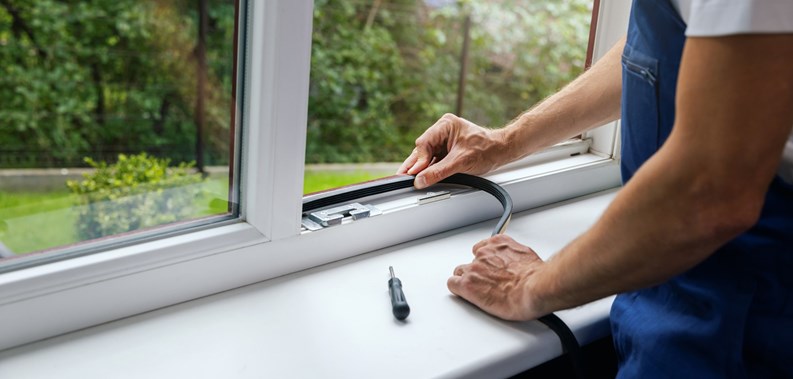
It may not feel like it now, but winter is coming—and winterizing windows is a critical annual task for New England property managers and condominium boards. Under the strain of harsh coastal winds, sub-zero temperatures, and heavy snow, drafty, poorly-sealed windows can strain boiler systems, cause heating bills to skyrocket, and lead to frozen pipes in exterior walls. Implementing a proactive, structured winterization plan ensures residents’ comfort, protects your building envelope, and keeps operating budgets on the rails. Here are a few tips:
Conduct Comprehensive Early-Autumn Inspections
Winterization should begin in late September or early October, long before the first freeze. Facilities teams or exterior envelope consultants should perform a unit-by-unit and common-area audit focusing on:
Perimeter Sealants: Inspect exterior caulk and sealant joints for cracking, shrinkage, or gaps that let cold air penetrate.
Weatherstripping: Check compressions, wool piles, and rubber gaskets along window sashes for dry rot or missing sections.
Operability and Locks: Verify that sashes close flush and lock completely. A window that does not lock properly cannot pull tight against its weatherstripping, leaving a direct gap for draft infiltration.
Prioritize Air Sealing & Gasket Replacement
Air leakage accounts for a massive portion of winter heat loss in mid-rise and high-rise structures. You can reduce loss by:
Replacing Worn Weatherstripping: Swap out degraded pile or bulb seals with high-grade, cold-weather EPDM rubber or silicone weatherstripping designed to handle thermal expansion and contraction.
Sealing Interior Trim: In older or historic mill-conversion buildings, cold air often leaks around the interior window casing rather than the glass itself. Applying low-expansion polyurethane foam behind the trim and sealing edges with paintable acrylic caulk creates an airtight interior barrier.
Deploy Temporary Seasonal Protection
For older properties or historic buildings where full window replacement is financially unfeasible or restricted by historic commissions, temporary barriers provide an immediate ROI:
Shrink-Film Insulating Kits: In units prone to high wind exposure, applying heavy-duty, optical-clear shrink film across interior window frames creates a dead-air insulation layer that dramatically reduces convection drafts.
Magnetic Interior Storm Windows: Custom acrylic or glass secondary glazing panels attached via magnetic frames on the interior provide a durable, re-usable solution that mimics double-pane performance without altering exterior historic facades.
Educate & Engage Residents
Resident cooperation is essential for effective energy management. Boards and management should distribute clear winterizing guidelines instructing residents to:
Keep all double-hung and sliding window locks engaged throughout the heating season.
Remove and store window air conditioning units by late October to allow full sash closure, or install heavy-duty insulated AC covers with exterior weather-sealing for sleeve units.
Promptly report sticking sashes, condensation buildup between panes (indicating broken insulated glass seals), or persistent drafts via the maintenance portal.






Leave a Comment