



As fall arrives in New England, the region’s condominium, HOA, and co-op sectors present a complex and competitive landscape. Unlike the single-family home sector, which faces severe inventory constraints, shared-interest communities have become the primary site of real estate activity across the Northeast. Driven by shifting interest rate dynamics, persistent housing supply challenges, and homebuyers’ evolving priorities, the multifamily ownership market is in something of a transition period.
First-Time Homebuyers & Economic Pressures
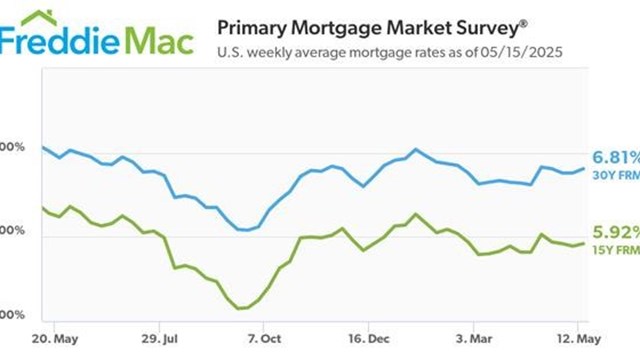
For first-time homebuyers across Massachusetts, Connecticut, Rhode Island, and northern New England, condos and co-ops (though to a far lesser degree) remain the primary gateway to property ownership. Nevertheless, affordability pressures continue to test entry-level buyers. Mortgage rates remain elevated in the mid-6% range, and while that’s below 2022’s peak of roughly 7%, rates have actually ticked up modestly over the past year rather than continuing to ease—leaving monthly debt service high and offering little near-term relief for buyers hoping for a meaningful pullback.
Along with those high prices and interest rates, first-time buyers in major metropolitan hubs like Greater Boston, Providence, and Southern Connecticut are facing a third hurdle: rising homeowners association (HOA) dues and condo fees. Surging property insurance premiums and mandatory capital reserve requirements have pushed monthly association fees up across New England, forcing budget-conscious buyers to recalibrate their purchasing power. Consequently, condo units priced under $500,000 are seeing intense competition and swift sales cycles, while mid-tier units experience more selective demand.
Loosening (But Still Tight) Rental Market
The New England condo and co-op ecosystem is further shaped by a rental sector that remains tight by national standards, but has been gradually loosening. Multifamily residential rental vacancies across Boston and Cambridge have climbed for four consecutive years and are approaching their highest levels since the pandemic—though Boston still posts one of the lowest vacancy rates among the nation’s 50 largest metros, so the market remains landlord-favorable, even as some of the extreme tightness of recent years eases.
That said, this continued pressure in the rental market still fuels demand for condo units. Many tenants facing years of steep rent increases are actively seeking to stabilize their housing costs through homeownership. Additionally, investor activity in small-to-midsize condo buildings remains present, as still-low vacancy rates support solid rental yields for owners who choose to lease out their units—subject, of course, to individual association rental caps and leasing restrictions.
What Buyers Want
Buyer expectations across the condo and co-op spectrum have shifted noticeably heading into autumn:
Financial Health & Reserve Funds: Above all, buyers at all price points are scrutinizing association financials. With recent national and regional focus on aging infrastructure and structural integrity, purchasers are demanding up-to-date reserve studies, fully funded capital accounts, and a clear history of maintenance. Unfunded special assessments are a major dealbreaker. Insurance premium growth, which has run at roughly 8–12% annually for several years, shows some early signs of decelerating in parts of the market—a modest bit of relief, though not a reversal of the broader cost trend.
Turnkey Amenities & Remote Work Spaces: Buyers favor move-in-ready units featuring updated kitchens, high-efficiency HVAC systems, and dedicated home office spaces.
EV Infrastructure & Green Features: Urban and suburban condo dwellers alike increasingly expect electric vehicle (EV) charging capabilities, energy-efficient building systems, and sustainable design integration.
Notable Developments & Urban Growth
Despite higher construction and financing costs, major New England cities continue to see targeted multifamily development:
Greater Boston: High-density, transit-oriented condo developments continue to transform regions like Somerville, East Boston, and the Seaport. Projects emphasizing luxury amenities alongside sustainable, fossil-fuel-free building footprints are attracting significant interest from down-sizers and high-earning professionals.
Providence & Worcester: Both cities continue a long-running pattern of adaptive reuse, converting historic industrial mills and commercial structures into modern loft-style condominiums and apartments. These developments appeal to buyers seeking character, location, and a lower price point than Boston proper.
Stamford & New Haven: Connecticut’s urban centers are seeing continued high-density residential expansion, benefiting from their proximity to transit corridors into New York City. Much of the current pipeline in Stamford skews toward rental apartments, but condo development remains part of the mix, including several hundred-unit-scale projects underway.
Driven by tight (if gradually loosening) rental alternatives and steady demand, shared-interest communities remain the central pillar of New England’s urban real estate economy. Heading into the final quarters of the year, New England’s condo and co-op market remains resilient.





Leave a Comment